Planning & Design
Site layout, functional planning and technical schemes developed around traffic, capacity, regulations and operating goals.
One coordinated source for station planning, equipment supply, storage systems, steel structures, construction and technical service—adapted to commercial and industrial fueling needs.
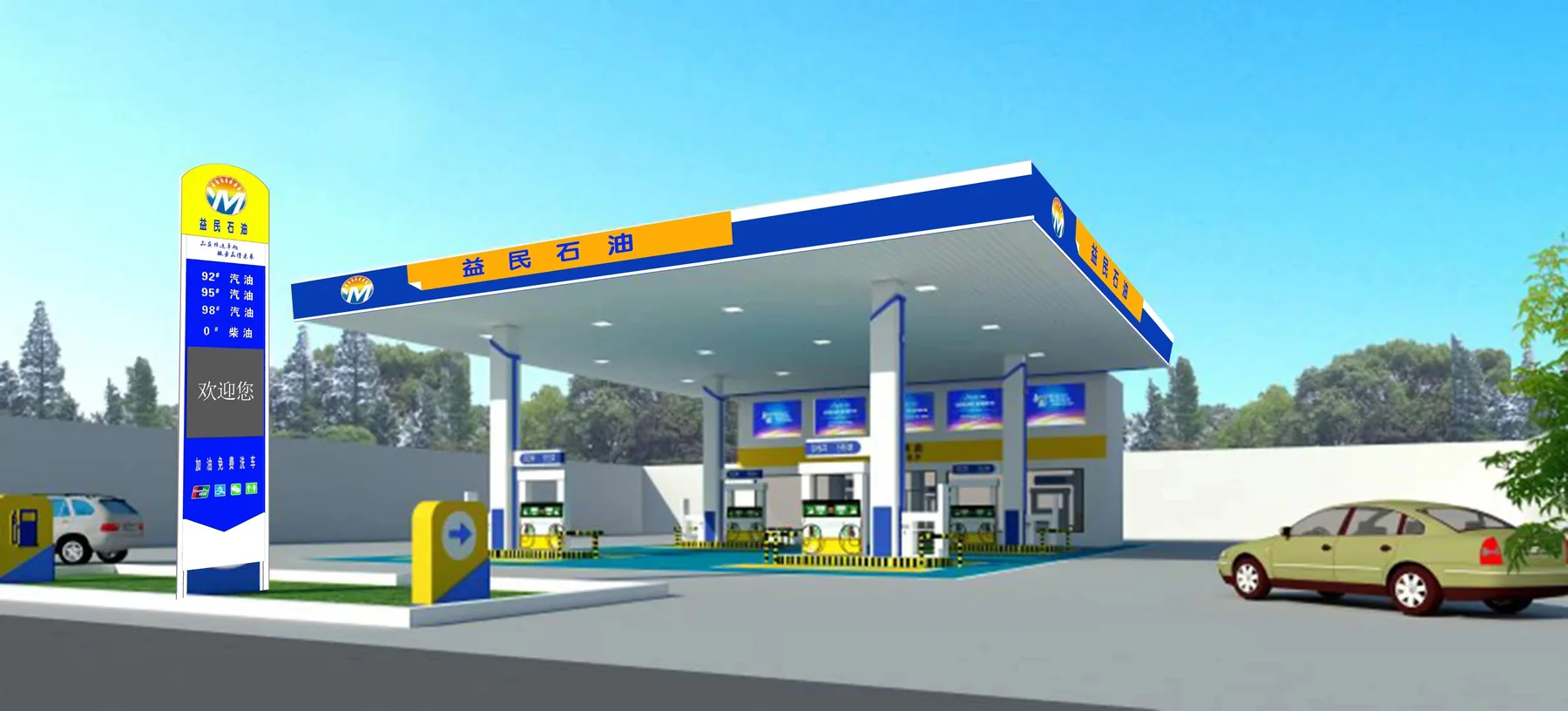 Planning · Equipment · Construction
Reduce coordination risk with a team that understands storage, dispensing, piping, canopies, civil interfaces, station systems and project execution as one integrated solution.
Site layout, functional planning and technical schemes developed around traffic, capacity, regulations and operating goals.
Coordinated storage tanks, dispensing equipment, pipelines, recovery systems and associated safety components.
Support for civil interfaces, canopy and steel works, equipment installation, commissioning and project handover.
Technical communication, documentation, delivery coordination and responsive after-sales support for long-term operation.
Station planning, structural systems, dispensers, storage tanks, safety equipment, pipelines, construction and project cases are rebuilt as conversion-focused web sections.
Integrating petrochemical product research and development, equipment manufacturing, engineering construction and installation services, forming a complete project delivery capacity.
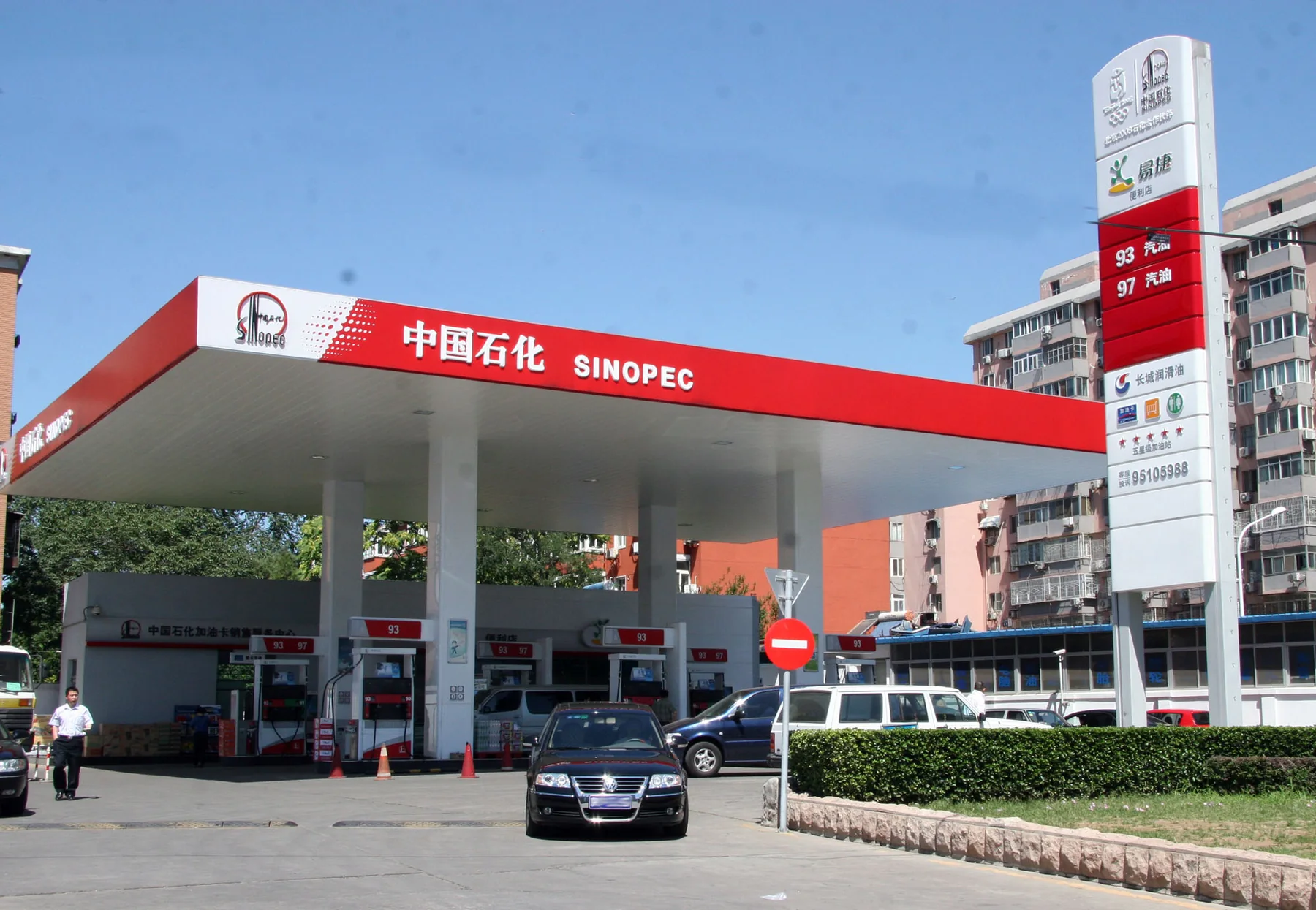
Hunan Xianggong Construction Co., Ltd. is located in Xiangnan High-tech Park, Chenzhou Economic Development Zone, with a registered capital of 36 million yuan. It is the only high-tech enterprise and scientific and technological small and medium-sized enterprise in Hunan Province that integrates research and development, design, manufacture, sales, installation and engineering services of petrochemical products. The company's products with intelligent barrier and explosion-proof skid-mounted refueling devices have been included in the 2022 new product catalog by the Hunan Provincial Department of Industry and Information Technology. The company has complete qualifications, strong technical force, complete product range, advanced production technology, complete equipment, and perfect quality assurance system.The founder of the company has worked in the petrochemical industry and steel structure industry for more than 20 years. He has rich construction experience in the production and development of skid-mounted refueling devices, oil depots, gas station construction, equipment installation, process pipeline construction and steel grid structure. We also specialize in the production of SF double-layer oil tanks, barrier explosion-proof materials and double-layer composite pipelines. We have a professional production team in Chenzhou, Hunan.The founder of the company adheres to the vision of diligently thinking about raising a family, cultivating and serving the country, and promoting the upgrading of the new/alternative energy industry with the mission of deepening the petrochemical industry. Relying on the comprehensive technical experience advantages of storage tanks, skid-mounted filling devices, and filling stations, the company assisted the petrochemical industry in a full dimension to create a new comprehensive energy service model and build an energy terminal ecological chain.
SF double-layer tank explosion-proof barrier
Double Layer Composite Plumber
Innovation drives the future In today's ever-changing technology, we understand the importance of innovation. Therefore, we continue to increase R&D investment, introduce international advanced technology, and strive to develop more competitive and market-compliant heavy industry products. Our innovative strength has taken the entire industry to new heights.
Industry is the miracle of making human beings, and it is the best place to feel the power and beauty of industry. The company has many years of industry experience, and at present our factory has developed into the largest and most advanced technology model. We constantly strive for excellence and are committed to providing high-quality products and services to society.
We adhere to rigorous process requirements and exquisite manufacturing technology to ensure that each and every product meets the highest quality standards. From the procurement of raw materials to the production process, to quality inspection, we always strictly control, only to present the most perfect heavy industry boutique.
Excellent quality, stringing for perfection Green environmental responsibility As the development of heavy industry, it is inseparable from caring for the environment. We always adhere to the concept of green and environmentally friendly production, adopt advanced environmental protection technology, reduce energy consumption and emissions, and contribute to the realization of sustainable development. This is our responsibility to society and our commitment to the future.
Excellence in quality and excellence
From the site foundation, canopy station, oil storage and transportation to oil and gas recovery, overall planning is carried out in accordance with safety, environmental protection and operational efficiency.
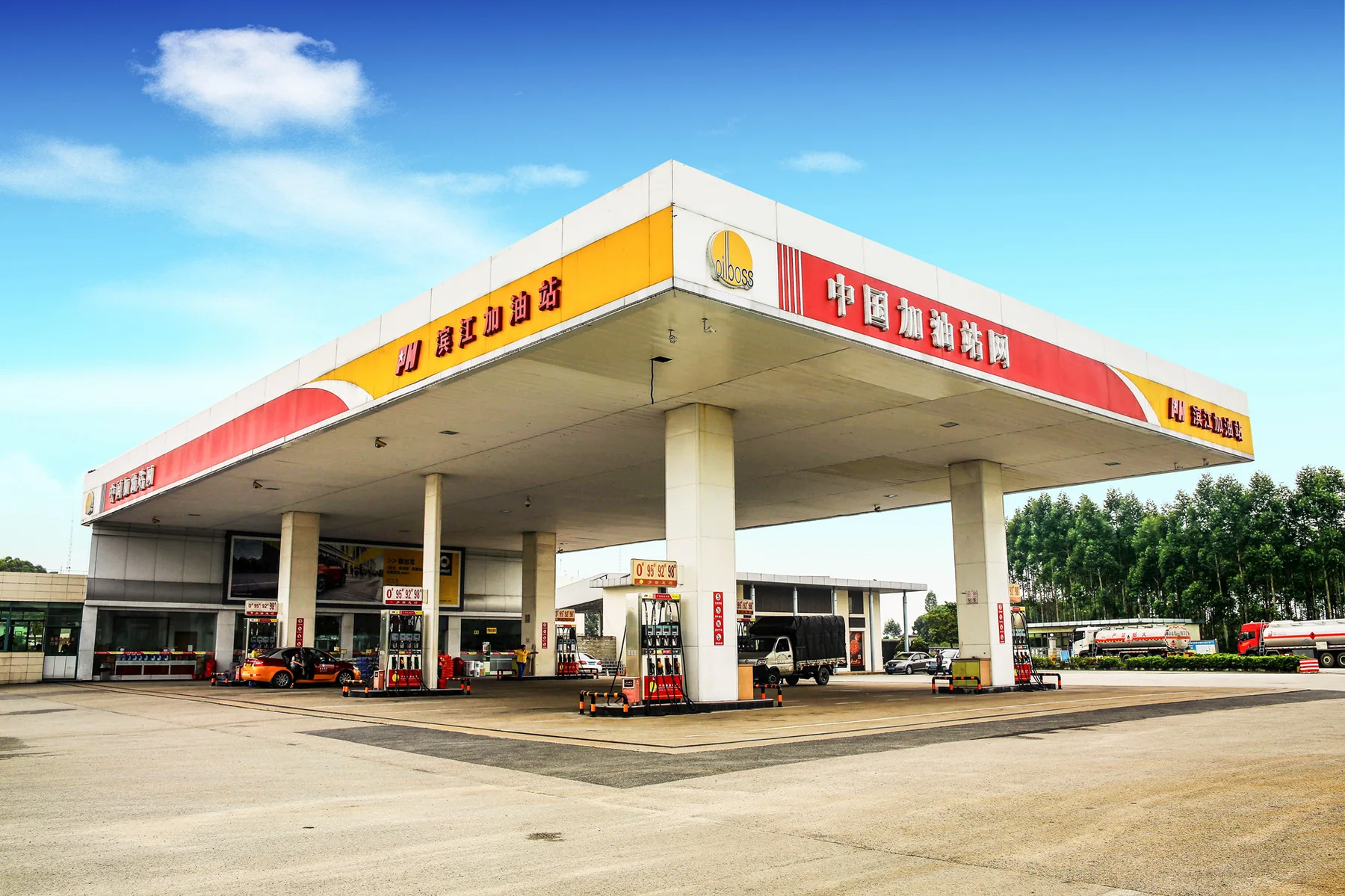
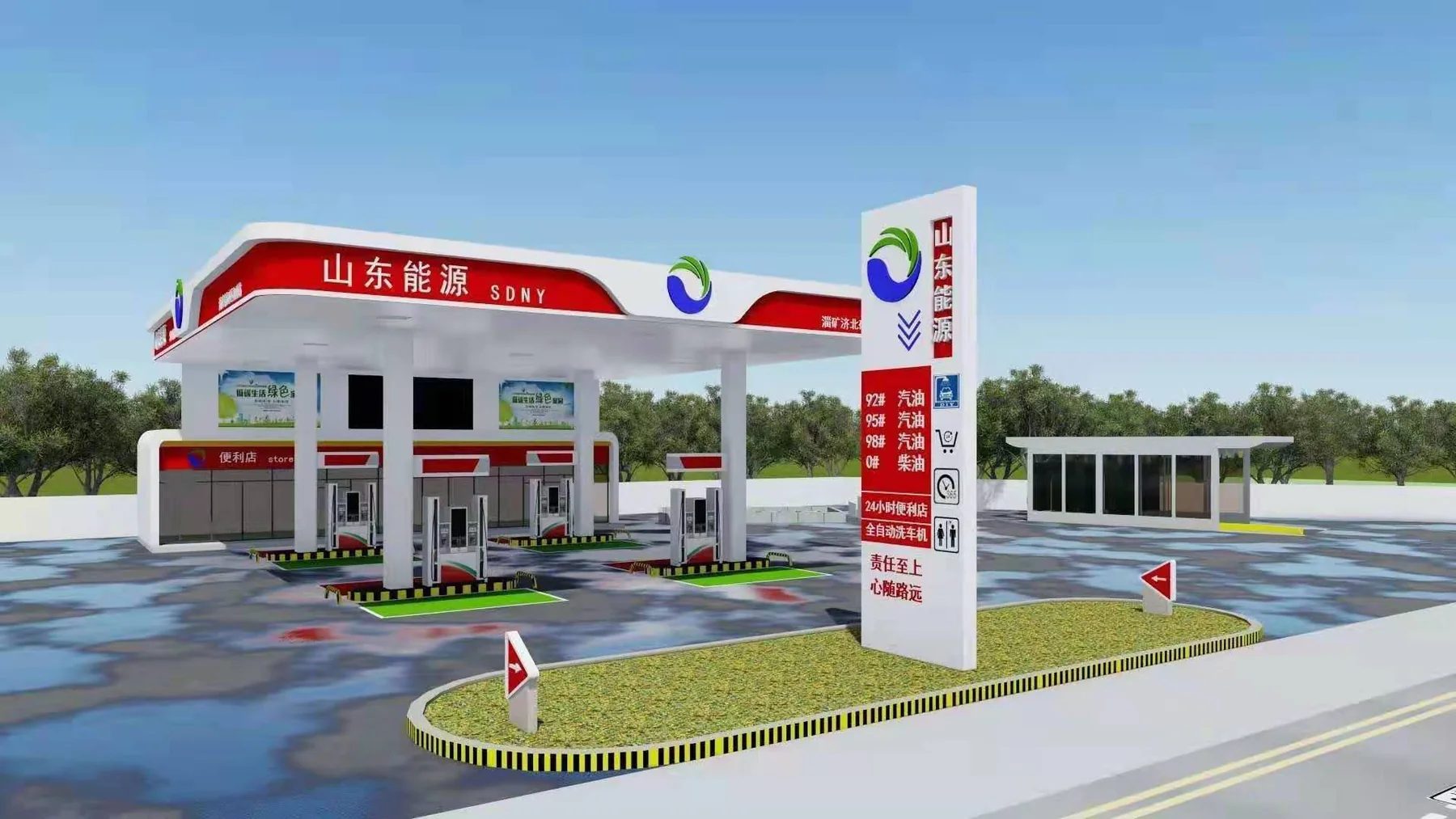
The gas station project is a comprehensive infrastructure construction project integrating oil storage, refueling and supporting services. The core is used to meet the refueling needs of motor vehicles (gasoline, diesel, etc.), taking into account the convenience of service functions, and is an indispensable supporting facility in the road traffic network.The project construction strictly follows the relevant norms of national safety production, environmental protection and energy conservation, and fire safety, covering the entire process of site planning, main structure, equipment installation, pipeline laying, supporting facilities construction, etc., to create a safe, efficient, environmentally friendly, and convenient fuel filling place, adapted to the layout of multiple scenarios such as suburbs, highways, township main roads, etc., taking into account practicality and compliance, to meet the filling needs of all types of motor vehicle users, and at the same time to help improve regional transportation support and economic development.
Gas station construction scenarios focus on road traffic nodes. According to location characteristics and service needs, they are mainly divided into four categories, covering different use scenarios and adapting to diversified needs:
The steel structure is mainly made of steel, which is one of the main types of building structures. Steel is characterized by high strength, light weight, good overall rigidity and strong deformation ability, so it is particularly suitable for the construction of large-span, super-high and super-heavy buildings. Steel structures are components such as steel beams, steel columns, steel trusses, etc., made of sectional steel and steel plates; structures with welds, bolts or rivets are used between each component or part.
The steel structure has developed vigorously in the public construction field. It is often used in factories and multi-storey houses, and has expanded to super high-rise buildings, large-span convention and exhibition centers, sports venues, large-scale transportation buildings, ports, docks, roads and bridges, fire stations, subways, high-speed rail and other places. At present, more than 1,000 super high-rise steel structures have been built and have been built, and the steel structure is developing in a higher, wider and lighter direction.
The steel structure construction process has strong nonlinear characteristics and is one of the main building structures. It consists of beams, columns, trusses and other components made of steel plates or sectional steel. Each component is connected by welding, bolting, riveting and other methods. It is widely used in super high-rise buildings, large-span buildings, bridges, tower mast structures, removable structures and structures that require light weight.
Oil tanks are equipment used for storing and transporting liquids such as petroleum, chemical, bioengineering, and their derivatives. The type and structure of oil tanks are closely related to their use and storage capacity. The oil tanks are divided into vertical oil tanks, circular oil tanks, spherical oil tanks, underground oil tanks and diaphragm oil tanks. They are mainly used for storing oil, refineries, fuels, new energy, waste products, biology, metallurgy, machinery, ports, terminals, aviation, medicine, etc., to provide enterprises with a green, environmentally friendly, energy-saving and safe storage and operating environment.
CHARACTERISTICS OF THE SKID MOUNTED REFUELING DEVICE
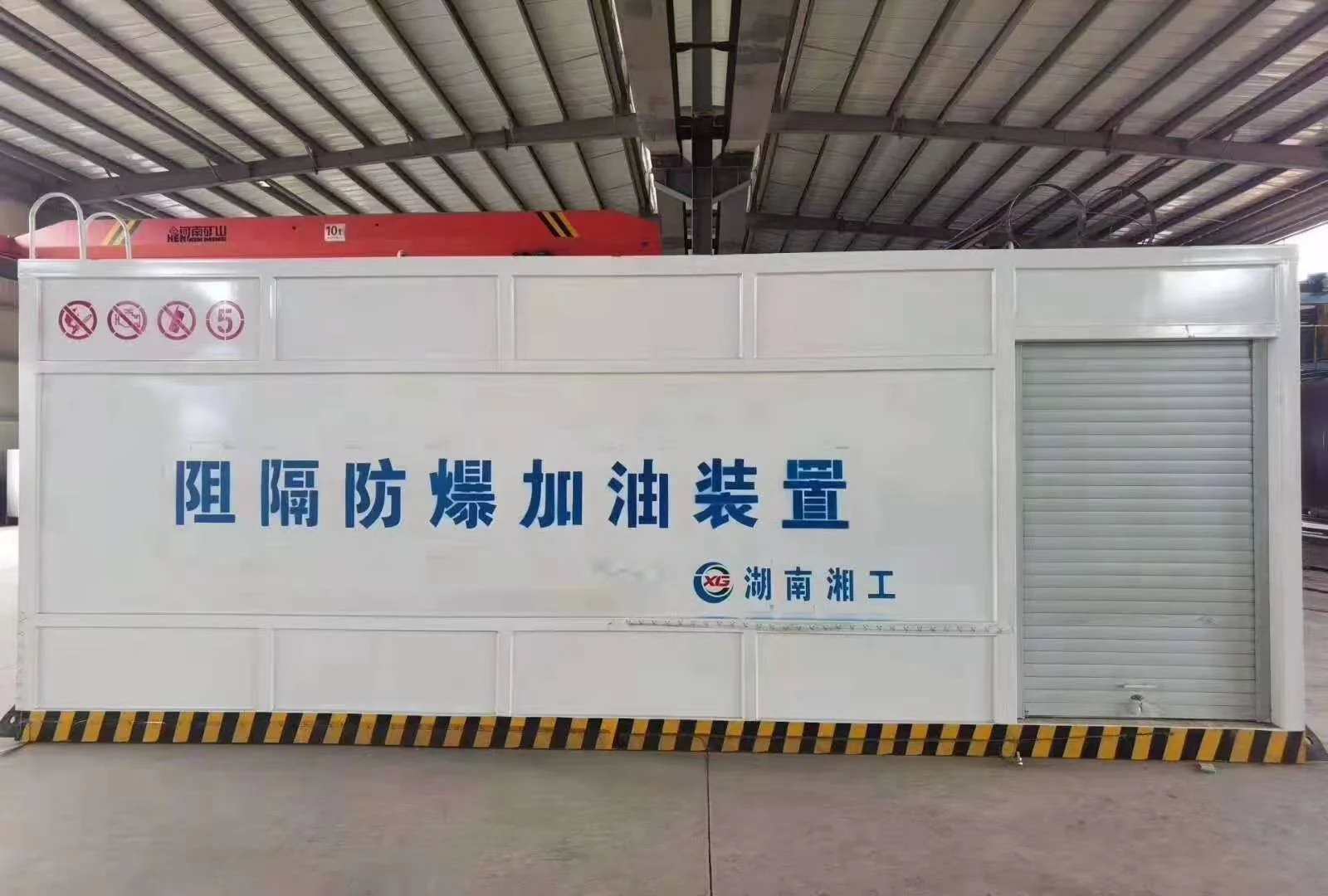
The explosion-proof skid-mounted refueling device is a movable ground refueling station that collects and stores fuel tanks, refueling machines, and alarm monitoring. The oil storage tank has undergone a barrier explosion-proof technical transformation. The barrier explosion-proof materials will be filled in the oil storage tank with flammable and explosive liquids in a fixed density manner. It will also be safe when it encounters open flames, static electricity, impact, lightning strikes, welding, and accidental violent impact accidents.With the characteristics of fireproof and explosion-proof, safety and environmental protection, small footprint, easy migration, etc., the products are widely used in passenger stations, bus stations, rental, automobile trade leasing, driving schools, mines, agricultural machinery cooperatives, ports, docks, airports, large construction sites, logistics, industrial parks, internal gas stations and other centralized places, providing enterprises with convenient internal refueling services.
Education School Transportation Center Gymnasium Interpretation Aquarium Airport Subway Road Gas Station Activity Building Municipal Engineering Industrial Building Astronomy Power Energy High-speed Rail Hangar Watch Tower Hou Hall Theater Playground Steel Beam
This is the “skeleton” of the entire gas station and determines the stability and resilience of the building.
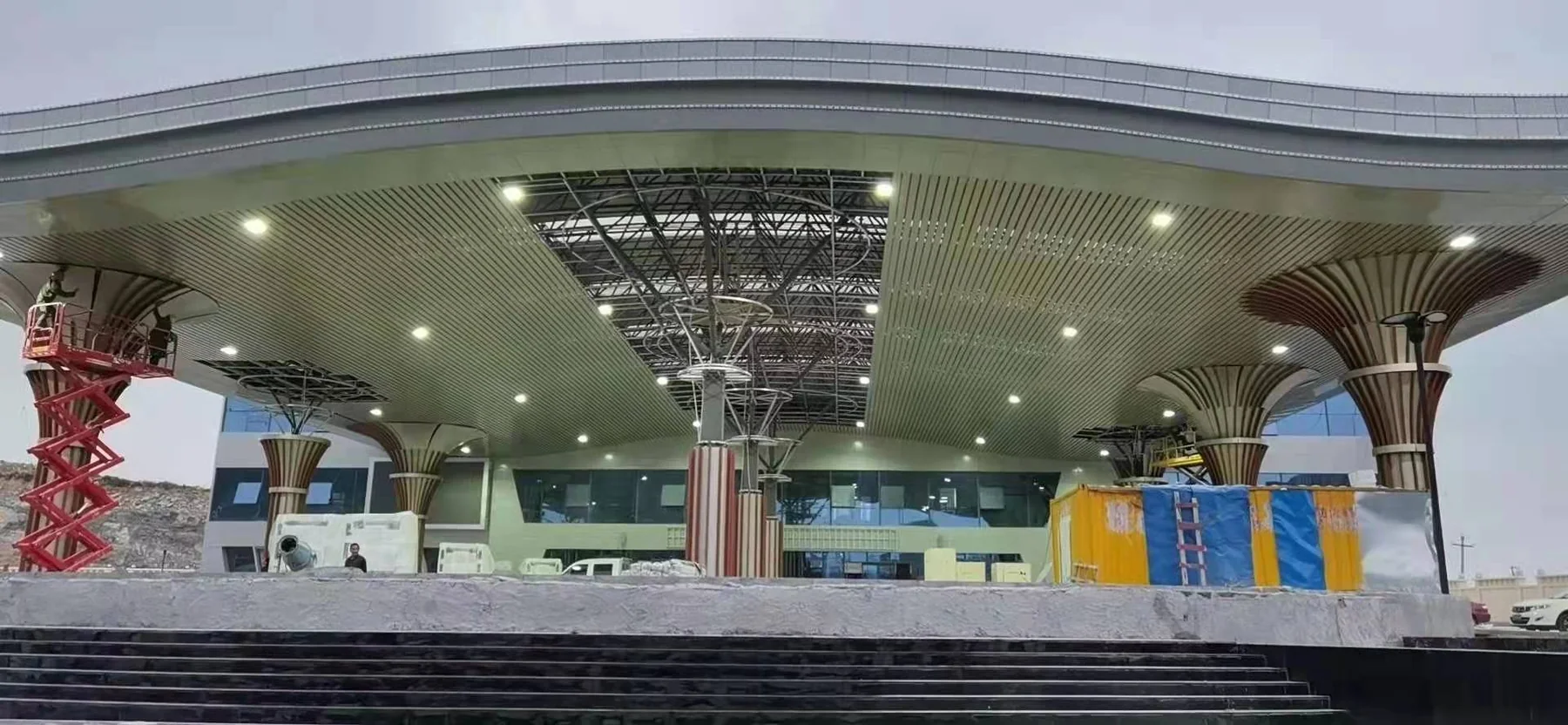
The steel structure and grid structure system with large span and few columns take into account the vehicle traffic, wind resistance, earthquake resistance, construction efficiency and brand image.
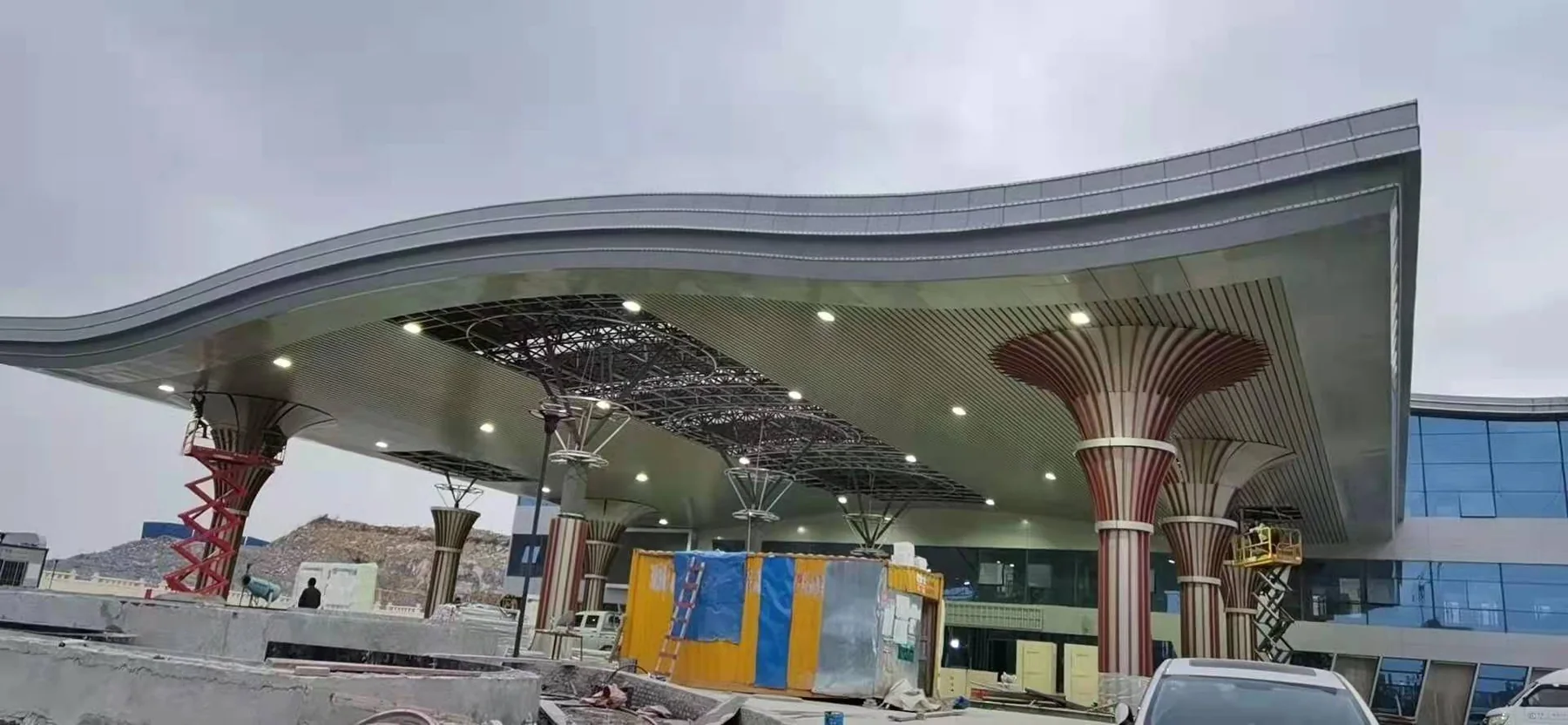
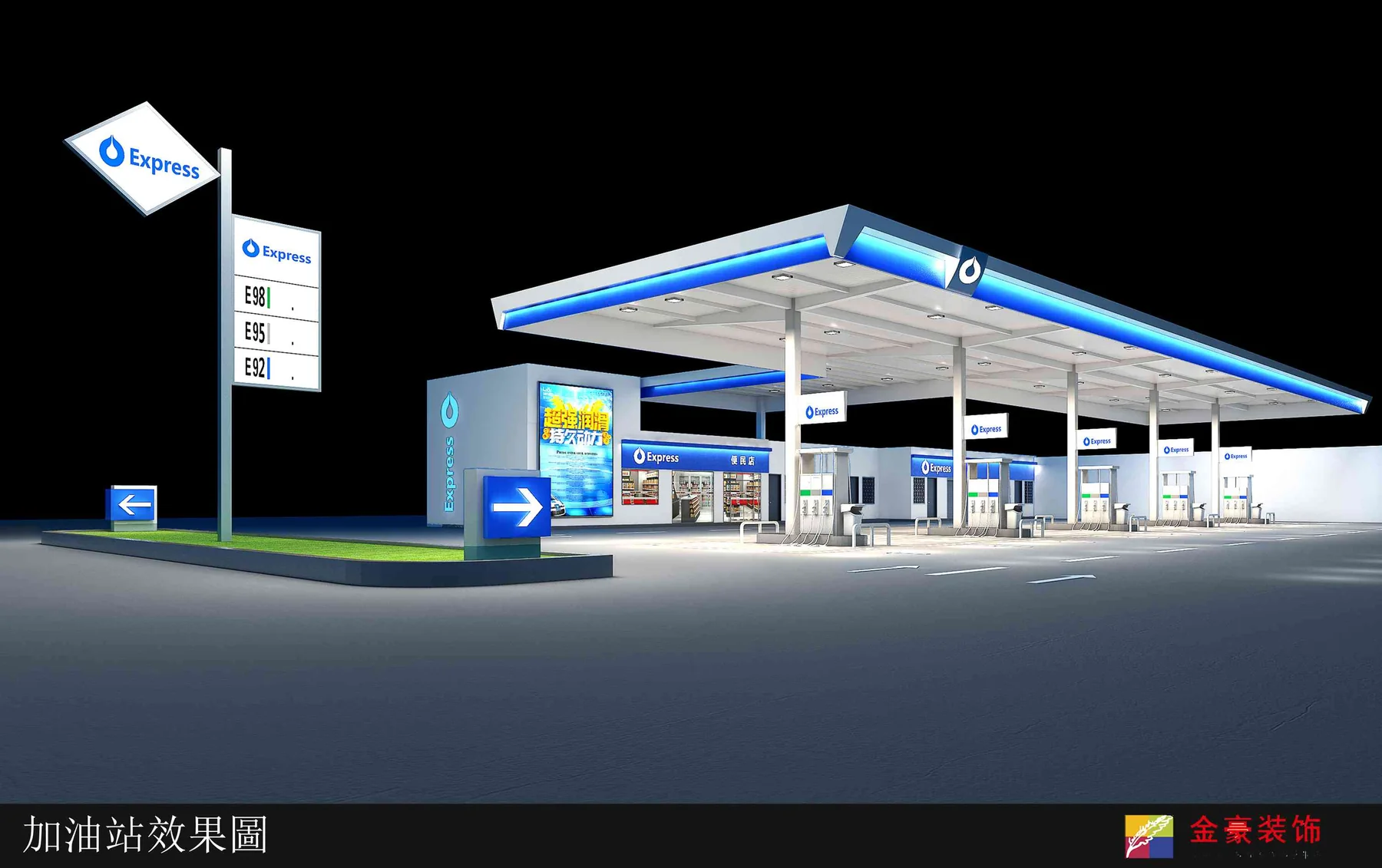
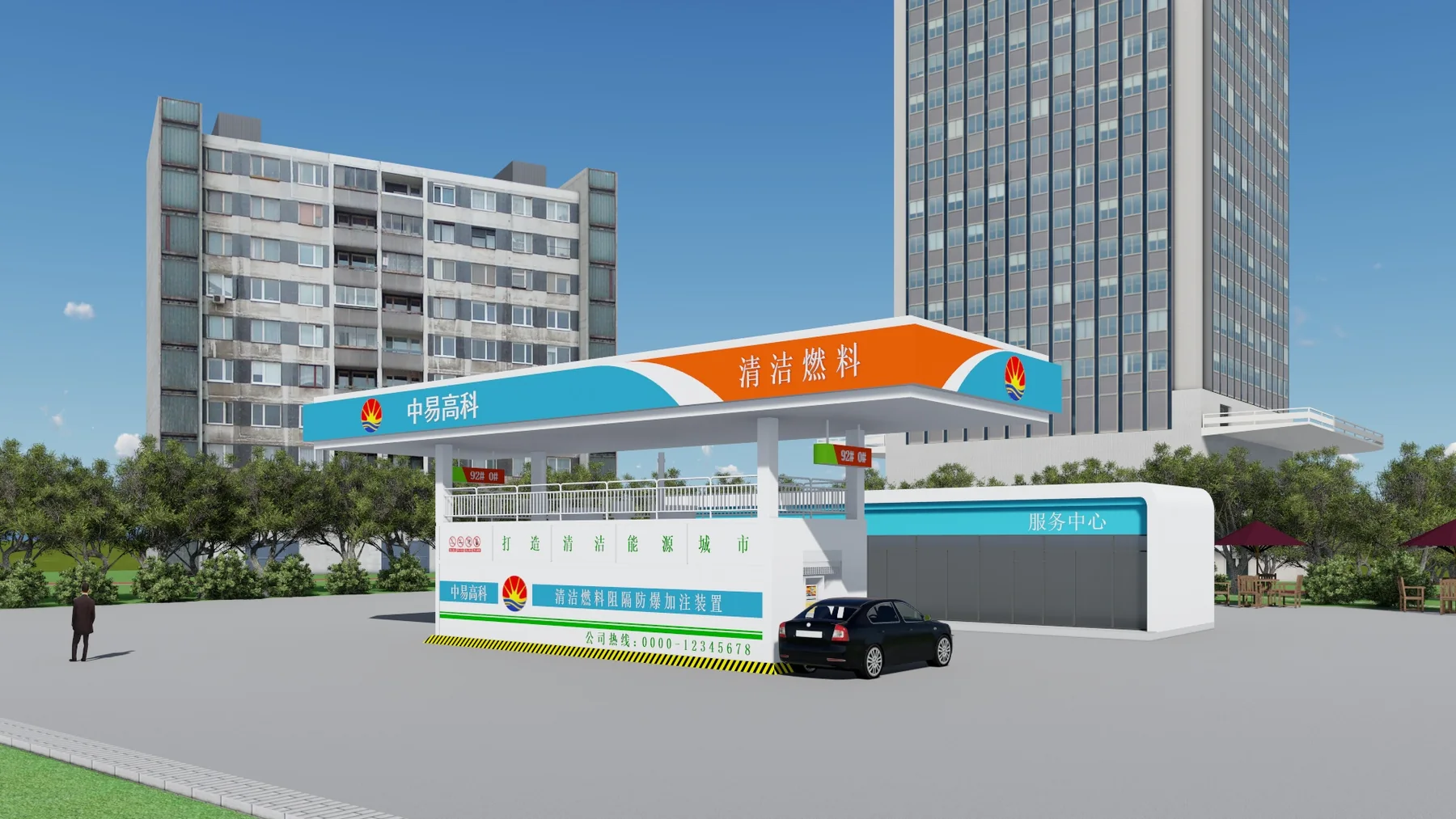
The steel structure of the gas station is the core component of its main construction. It is mainly light steel structure, taking into account safety, practicality and economy. It is mainly used in the canopy, station building and ancillary facilities. The core structure includes two parts: First, the steel structure of the gas canopy. As the most important application scenario, the steel column (H-shaped steel or steel pipe column) and the steel beam (I-beam or truss structure) are used to build the main frame. The roof is paved with waterproof and fireproof color steel plates or aluminum-magnesium-manganese plates, which are mostly designed for long-span canting to ensure the openness of the refueling area. At the same time, the support system is equipped to ensure the overall stability;The second is the steel structure of the station building, which adopts a steel frame structure, with a combination of pressed steel plate and concrete floor and lightweight envelope structure, which can flexibly divide functional areas such as office and cashier. Some gas stations will integrate photovoltaic systems on the roof, which is in line with the concept of green and low-carbon.
Vigorously developing steel structure buildings is an important measure to promote the construction industry to achieve "carbon peak and carbon neutrality", and an important driving force for industrial transformation and upgrading and high-quality development. As one of the high-performance structural systems, high-strength steel structures have attracted much attention from researchers and the engineering community in recent years.Compared with conventional Q235 and Q355 steels, high-strength steels have higher unit mass strength. The use of high-strength steels instead of conventional steels in structural systems can reduce the cross-sectional size of components, reduce the self-weight of steel structures and the load of foundation parts, thereby effectively reducing the amount of steel used and reducing the carbon emissions of such structures. This is in line with the development strategy of China's new round of green, low-carbon and new-type building industrialization.
Its core advantages are outstanding; First, it has a large span and no column design, which can flexibly cover the entire refueling area without affecting vehicle traffic and refueling operations;The second is light weight, good stiffness, uniform stress, can effectively resist severe weather such as high winds, rainstorms, earthquakes, etc. The structural stability is extremely convenient and efficient. The rods can be prefabricated in advance in the factory. The on-site assembly can shorten the construction period, and the later maintenance is simple. The fourth is the shape is simple and flat. It can be matched with flame retardant color steel plates, aluminum-plastic plates and other roof panels, which is both practical and beautiful. It is suitable for the site layout of various gas stations (high-speed, urban, town). At the same time, it can meet the safety requirements of fire, corrosion, and lightning protection. It perfectly fits the large span, strong safety, and easy application of gas stations.The design requirements of the worker's ceiling.
Fifth, it is beautiful and generous. The unique design of the steel structure grid makes it possible to achieve large-span architectural requirements, provide open indoor space, and be suitable for various large construction sites. Secondly, the streamlined design of the steel structure grid makes it a classic iconic building in the city while satisfying functionality.
The roof of the gas station can be constructed by a steel grid structure. The mainstream steel grid structure is a spatial mesh steel structure. It is composed of a number of high-strength steel rods (commonly used Q235 and Q355 steel). According to the grid rules of square and triangle, it is assembled by node connectors (bolt balls, welding balls) to form an overall stress system. The overall structure is flat or slightly curved. It is precisely due to the multiple ultra-stable characteristics of the structure and the flexibility of the shape unique to other structures. Structural internal forces are usually calculated using the matrix displacement method.
The steel grid structure project is a bolt ball node mesh frame. Combined with the characteristics of the engineering grid frame, the grid frame installation is implemented; the advantages of the high-altitude bulk installation of the scaffold platform are reasonable stress and safe and reliable construction during the installation of the grid frame; the construction speed is fast and the construction period is short; the scaffold platform can also be used as a construction platform for roof panels, and one unit is multi-purpose.
Covers oil pumps, filtration, metering, solenoid valves, electrostatic discharge, payment, display and different fuel nozzle layouts.
The fuel dispenser is the core equipment for oil metering and filling at gas stations. Its main functions include: receiving oil delivered by buried oil tanks, achieving stable transmission and accurate metering through built-in oil pumps, filters and flow meters; having control functions such as unit price setting, amount/liter conversion, quantitative refueling, automatic start-stop; supporting oil and gas recovery system to reduce oil and gas volatilization and meet environmental protection requirements;At the same time, it integrates safety and management functions such as explosion-proof, anti-static, emergency shutdown, leak monitoring, and data upload to realize safe, efficient, and accurate refueling of gasoline and diesel for vehicles, which is the key equipment to ensure standardized and intelligent refueling operations.
Display screen Payment Mainboard Fuel nozzle nozzle Flow measurement transducer
Filter filter meter control board Measurement controlling board Keyboard Oil and gas recovery Pull-off valve hydrocarbon vapor recovery breakaway Self priming pump
Solenoid valve anti-static device anti-static device The shape and layout of the fuel nozzle of the oil dispenser are divided according to the number of gun bodies, with two mainstream mounting forms, side hanging and positive hanging, to adapt to different gas station space and fuel efficiency requirements. The overall shape is an explosion-proof sealed gun body, and there are differences only in the number of oil outlets and mounting arrangement, as follows: Positive hanging:The fuel nozzle is mounted vertically to the front of the fuel dispenser, the gun body is arranged in a word/matrix type, the vision is regular, easy to take and release, and it is suitable for four or more multi-gun models, which is the preferred form of mainstream gas stations.
Side mounting: The fuel nozzle is mounted on both sides of the tanker fuselage, 1-2 guns on one side, saving front space, the fuselage is slimmer, and it is suitable for single/double gun miniature models, or the fueling position in the narrow corner of the gas station.
The core layout of the oil dispenser gun is divided according to the number of gun bodies, with two mainstream mounting forms, side hanging and front hanging, adapted to different gas station space and fueling efficiency requirements. The overall shape is an explosion-proof sealed gun body, which differs only in the number of oil outlets and mounting arrangement. The details are as follows: Single gun/double gun: The most basic, single gun is a single-machine single oil outlet, double gun is a single-machine double oil outlet (the same/different oil products can be added), the gun body is small, the mounting is compact, suitable for small gas stations, community stations or emergency fueling positions, side hanging/front hanging are all applicable.
Four guns/six guns: medium-efficient, single-machine integrated 4/6 oil outlets, mostly double-row symmetrical layout, the gun body is arranged in a matrix, taking into account multiple models and multiple oil products at the same time, adapted to mainstream gas stations and national highway stations in urban areas, mainly hanging, the layout is more orderly.
Eight guns: high-efficiency heavy-duty models, 8 oil outlets per unit, four-row symmetrical or double-row dense layout, large number of gun bodies, high filling efficiency, suitable for high-speed service areas, large logistics stations and other scenarios with large traffic, only suitable for hanging, need to reserve enough mounting space.
Inner tank oil storage, outer tank anti-seepage, sandwich monitoring constitute a safe storage system, and supporting liquid level, respiration, fire retardant and anti-overflow components.
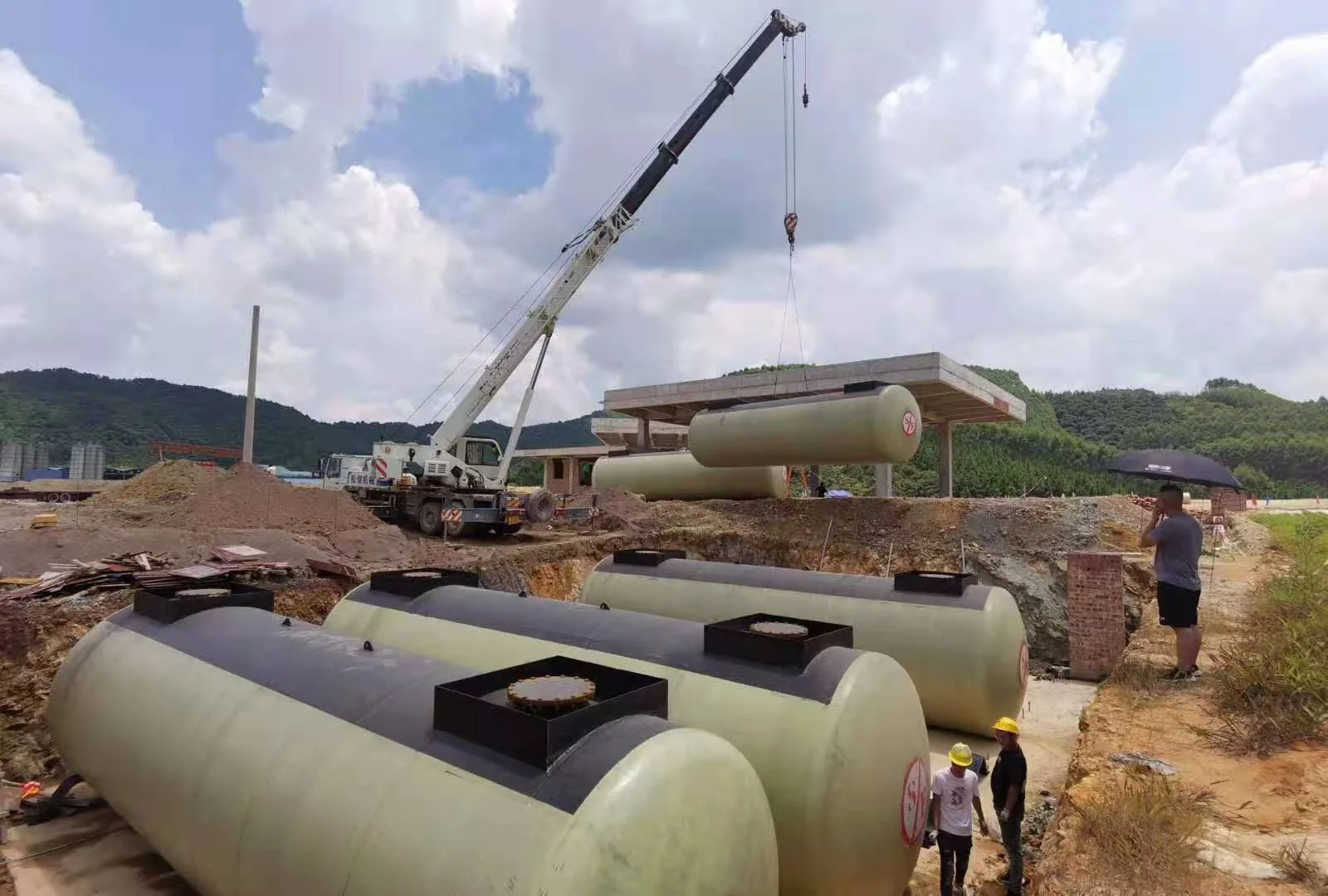
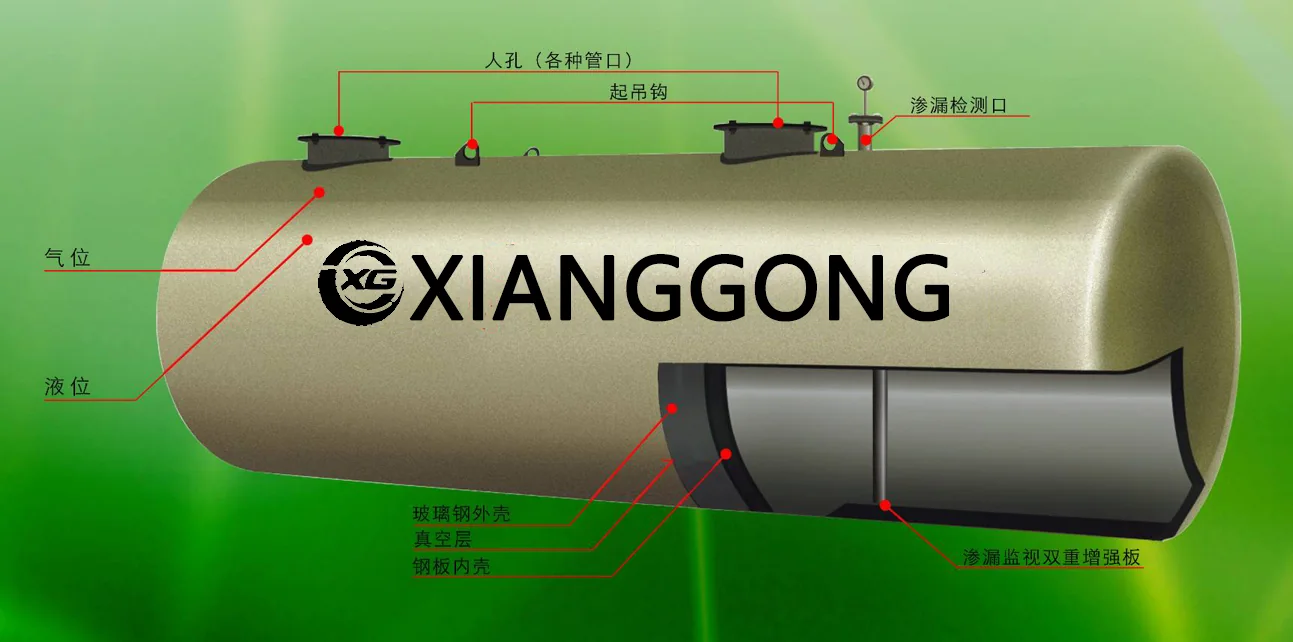
The core of the commonly used double-layer tank for gas station oil storage is the integrated structure of "inner tank oil storage + outer tank seepage prevention + sandwich monitoring". Compared with traditional single-layer tanks, it has significant advantages in safety, environmental protection, compliance and life. The following are from the structure, type, advantages, standard
Inner tank: direct contact with oil, bear the function of oil storage and pressure bearing. Most of the materials are carbon steel (high strength, oil corrosion resistance), the design internal pressure is not less than 0.08 MPa, and the thickness of the steel plate is graded according to the diameter (such as 1.6-2.5m tank, tank body ≥ 6mm, head ≥ 7mm).
Outer tank: As a secondary impervious barrier, it is made of glass fiber reinforced plastic (FRP) or double-layer steel, resistant to soil, groundwater and chemical corrosion, with a thickness of not less than 4mm, to isolate the leakage of the inner tank from the environment.
Through the gap: 360° annular space between the inner and outer layers, the volume is 0.2% –2% of the tank capacity, built-in leakage detection riser and sensor, to achieve 24-hour online monitoring, trigger acousto-optic alarm when leakage, to avoid pollution diffusion.
Second, the mainstream type (according to the material) SF type (internal steel and external glass fiber reinforced plastic): the mainstream of domestic gas stations, the strength of the inner steel is guaranteed, the outer glass fiber reinforced plastic is anticorrosive, taking into account the cost and performance, suitable for the buried environment.
FF type (all glass fiber reinforced plastic): The inner and outer layers are all FRP, which is extremely corrosion-proof, lightweight, non-electrochemical corrosion, and has a longer service life. It is suitable for high corrosion soil or environmentally demanding scenarios.
SS type (double-layer steel): The inner and outer layers are both steel, with extremely high strength, and are mostly used in special working conditions (such as skid-mounted stations), but corrosion protection requires additional treatment, and the cost is high.
Compliance is just required, in line with the national standard: GB50156-2021 "Technical standards for automotive refueling and hydrogenation stations" explicit requirements, buried tanks are preferred to double-layer tanks, which is a mandatory compliance item for new/renovated gas stations.
Double impermeability, zero pollution risk: When the inner tank leaks, the outer tank intercepts the oil, the interlayer monitoring immediately alarms, avoids soil/groundwater pollution from the source, and solves the pain points of single-layer tank corrosion and leakage.
Real-time monitoring, active early warning: Vacuum/pressure/liquid level sensor in the gap, 24-hour monitoring, immediate alarm when leakage, easy and fast disposal, reduce accident losses.
Anti-corrosion and durable, double service life: The outer layer of FRP is resistant to soil, groundwater and microbial corrosion, and has no electrochemical corrosion. The service life can reach more than 30 years, which is much longer than that of single-layer steel tanks (10–15 years), reducing replacement costs. Economic long-term effect, reducing the total cost: Although the initial investment is slightly higher, it avoids high repair fees after leakage (single site repair often exceeds 1 million), fines and brand losses, and the long-term comprehensive cost is lower.
At present, the mainstream tank used in gas stations is SF type (internal steel and external glass fiber reinforced plastic), as shown in the following figure:
The gas station oil storage and transportation process revolves around the "safe, efficient and impervious" core, and is closely connected and standardized. It is mainly divided into two parts: the storage process and the transportation process. The whole process follows the relevant safety and environmental protection specifications, as follows:
SF double jar physical display
Position Function Characteristics The special channel for the top of the manhole tank to enter the tank for operation. It is used for cleaning, maintenance, anti-corrosion construction, component replacement and troubleshooting inside the tank. It is equipped with a high-strength sealing cover and seals. After installation, it can ensure that the tank is sealed to prevent media leakage and external impurities from entering the ventilation position on the top of the respiratory valve. It automatically opens and closes according to the pressure inside the tank. When the pressure inside the tank exceeds the limit, it automatically discharges and releases air pressure. When negative pressure is formed, it automatically sucks in air to make up pressure to avoid overpressure fracture or negative pressure suction of the tank. At the same time, it reduces the medium volatilization loss and prevents external impurities and rainwater from entering the tank -Leak detector is used to monitor the leakage of tanks, welds and interlayers in real time Accurately capture trace leakage signals, realize 24-hour uninterrupted online monitoring, detect leakage Immediately sound and light alarms, timely avoid media leakage, environmental pollution and safety risks Compact structure, easy installation, suitable for all kinds of oil storage tanks, especially to meet the safety monitoring needs of laboratory small metering tanks, industrial double-layer tanks Reinforced parts of the top or side walls of the hoisting hole tank are used to wear slings and slings, and the periphery of the hoist, transfer and installation holes of the tank will be reinforced to ensureThe lifting force is uniform and does not damage the tank structure. After the installation is completed, it will be sealed and sealed, and the tight filter of the tank will be restored.
Pollutants such as impurities, particles, rust and other contaminants in the medium during the filtration, storage and filling process of the oil outlet pipeline or oil outlet to prevent impurities from blocking subsequent pipelines, valves, fuel dispensers and other equipment to avoid impurities from entering the liquid equipment such as the engine. At the same time, ensure that the cleanliness of the storage medium The liquid level probe is installed in the tank to accurately measure the liquid level height of the medium in the tank. The volume and quality of the storage liquid can be obtained through data conversion. Some models can also monitor the medium temperature. The data can be transmitted to the ground console to achieve real-time display of the liquid level, high and low liquid level alarms, inventory management, and prevent overflow of the tank.Risk, while facilitating inventory statistics and management of oil and chemical media
Liquid Level Gauge Breathing Valve Oil Drainage Anti Spill Valve
Leak Detector Dosing Hole Ball Valve Dosing Hole Foot Dosing Hole
The oil measurement holes are mainly installed vertically on the top of the tank, and one is set on the top of each tank to measure the height and sampling of the materials in the tank, which has good sealing properties and is leak-proof. There are hole caps and tightening bolts, and oil-resistant rubber pads are embedded in the hole cap sealing groove to prevent sparks from collision between the hole cap and the iron when it is closed. There is a throwing ruler groove inside to prevent sparks from sliding down and friction during the oil measurement process to ensure safety.
The rotary oil hole fire-retardant breathing valve is a special accessory for the safety protection of storage tanks. It integrates the three functions of respiration and pressure relief, negative pressure suction, and fire retardant and explosion-proof. It is installed on the top of the oil tank and chemical tank.
It can automatically open and close according to the pressure in the tank: when the positive pressure exceeds the limit, the exhaled gas will relieve the pressure, and the inhaled air will keep the pressure during the negative pressure, so as to avoid the tank body from sucking up or drum cracking; the internal self-contained flame retardant core can block the external flame and spark from entering the tank, prevent the flammable and explosive medium from bursting, and has the functions of pressure balance and fire safety. It is a standard safety device for petrochemical and oil depot storage tanks.
The oil unloading anti-overflow valve is installed inside the oil unloading port of the oil tank, and automatically monitors the liquid level height during oil unloading. When the oil level reaches the upper limit, the oil inlet channel is automatically closed to prevent oil overflow and leakage. The structure is compact and responsive. It is a standard safety valve for gas stations, skid-mounted refueling devices, and oil storage tanks.
The double-door bottom valve, also known as the check valve, is one of the accessories used to prevent oil backflow in the suction pipeline when the fuel dispenser stops (flow range: 0-60L/min, closing valve speed: 0.5s, medium used: gasoline, diesel, kerosene, etc.). The double-door bottom valve is sealed with a double-layer structure, and the sealing performance is good; it is installed in the tank, and the suction pump of the fuel dispenser is opened, and the fuel dispenser is oiled. It automatically closes after the fuel dispenser stops working; it can prevent the backflow of oil in the pipeline to the tank to generate air to play the role of a check valve to ensure the normal operation of the fuel dispenser.The double door bottom valve uses two sets of the same valve body and disc to make its check performance more reliable. Safe.
The flame retardant breathable cap is mainly used on the fuel tank of the gas station, and is installed on the top of the outdoor breathable pipe through the breathable pipe. The top of the breathable cap is made of stainless steel, aluminum alloy shell, built-in aluminum alloy or stainless steel fire-resistant corrugated plate, which can automatically adjust to prevent the pressure overpressure in the tank, just like breathing; and can prevent the passage of unsafe factors such as open flames or Mars that are accidentally generated outside, ensuring the safety of the fuel storage tank at the gas station.
Display OF supporting components for oil storage tanks The main material of the flame arrester shell is cast aluminum alloy, and the flame retardant core is aluminum alloy corrugated plate, which meets the requirements of national technical standards. The function of the pipe flame arrester is to prevent external flames from entering the equipment and pipelines where flammable and explosive gases are stored, or to prevent flames from spreading between equipment pipelines.Flame arresters for petroleum storage tanks are reasonable in structure, light in weight, and qualified in explosion-proof performance. They are suitable for Class A oils with a flash point of less than 28 C, hydroxide liquefaction, kerosene, diesel oil, toluene, crude oil with a flash point of less than 60 C, etc. They can be used in conjunction with breathing valves, and can be used alone. The internal floating roof tank vent pipe and the gas station underground tank vent pipe are suitable. In order to ensure that the performance of the flame arrester achieves the purpose of safe use, the flame arrester shall be inspected and maintained. The flame arrester is inspected once every six months to check whether the flame retardant core is blocked, deformed, corroded, etc.;The blocked flame retardant core should be cleaned in time to ensure the smoothness of each hole on the core; the flame retardant core should be replaced in time for deformation and corrosion. When re-installing the flame retardant core, the joint surface should be tight and not leak.
Reduce the risk of storage and transportation through fire and explosion suppression, anti-static, anti-leakage and double-layer pipeline monitoring.
BRIEF INTRODUCTION TO EXPLOSION-PROOF BARRIER MATERIALS
It is a safety protection material specially developed for flammable and explosive medium storage and transportation equipment. It is widely used in oil tanks, chemical storage tanks, oil pipelines and other core equipment, and is a key supporting product to ensure safe production in the petrochemical industry. It is based on high-strength, corrosion-resistant, and high-temperature-resistant special materials. Through scientific structural design, it achieves multiple protective functions of explosion-proof, explosion suppression, and fire retardation, and avoids the safety hazards caused by static electricity, open flames, impact and other factors from the source.
Core working principle: When flammable and explosive vapors and air in the storage tank form explosive mixed gases, the honeycomb or network structure inside the material can quickly block the flame propagation, inhibit the generation and diffusion of explosive shock waves, absorb heat, reduce the temperature of the medium, prevent the spread of fire, and ensure the safety of equipment and surrounding personnel. Compared with traditional means of protection, it has the advantages of small size, light weight, convenient installation, and long service life. It can achieve efficient protection and greatly reduce safety operation and maintenance costs without significantly modifying existing equipment.
Safety and explosion-proof: The oil storage tank transformed by the barrier explosion-proof technology has achieved intrinsic safety. In the event of an accident (open fire, static electricity, welding, gunshot, lightning strike, collision and wrong operation, etc.), there will be no explosion. Even if a fire occurs, it will block the combustion of the flame, slow down the flame propagation speed, significantly reduce the flame height, and help to extinguish the fire.
Environmental protection and energy conservation: It has the effect of inhibiting oil and gas volatilization. The Beijing Research Institute of Environmental Sciences tested the oil and gas volatilization data of the gas station in the unloading and large breathing state. The test showed that: under the same state, the oil and gas volatilization concentration of the storage tank device that implemented the barrier explosion-proof technology transformation in the unloading and large breathing state was reduced by 43% compared with the oil and gas volatilization concentration of the unmodified storage tank in the unloading and large breathing state, which brought considerable benefits to the enterprise and society and effectively reduced environmental pollution.
Protecting water resources: Blocking explosion-proof products can play a cathodic protection role on the tank wall, delaying the corrosion of the tank wall, preventing corrosion and leakage, so as to achieve the purpose of protecting groundwater resources. At the same time, it can also extend the service life of the tank, especially for buried storage tanks in gas stations that are not cleaned and maintained for a long time and are in critical and sensitive positions.
Low operating cost and safe and reliable: The safety and explosion-proof function of the barrier explosion-proof buried storage tank is not affected by changes in internal and external conditions (such as power outage, water outage, gas outage, monitoring and automatic control device failure, etc.). No additional auxiliary equipment is required, which can eliminate the risk of explosion and fire accidents in the buried storage tank under any circumstances. Stop the surge:Significantly reduces the inrush phenomenon of the medium in the container, reduces the liquid shaking energy in the container by 40 times, reduces the wear of automobile tires, and greatly reduces the probability of accidents caused by the inrush of hazardous chemical mobile transport devices.
Anti-static accumulation: During the loading and unloading of oil, static electricity at the wall of the metal container can be connected to prevent electrostatic accumulation. Fire extinguishing is simple: if the oil hole catches fire, the flame height should not exceed 30 cm. Simply cover the oil hole with a fire blanket, and the flame can be extinguished.
Fast and efficient: If you need to implement the barrier explosion-proof technology transformation on the buried oil storage tanks of existing gas stations, it only takes 1-3 days.
ADVANTAGES OF EXPLOSION-PROOF BARRIER MATERIALS
QUALITY INSPECTION REPORT EXPLOSION-PROOF BARRIER MATERIALS
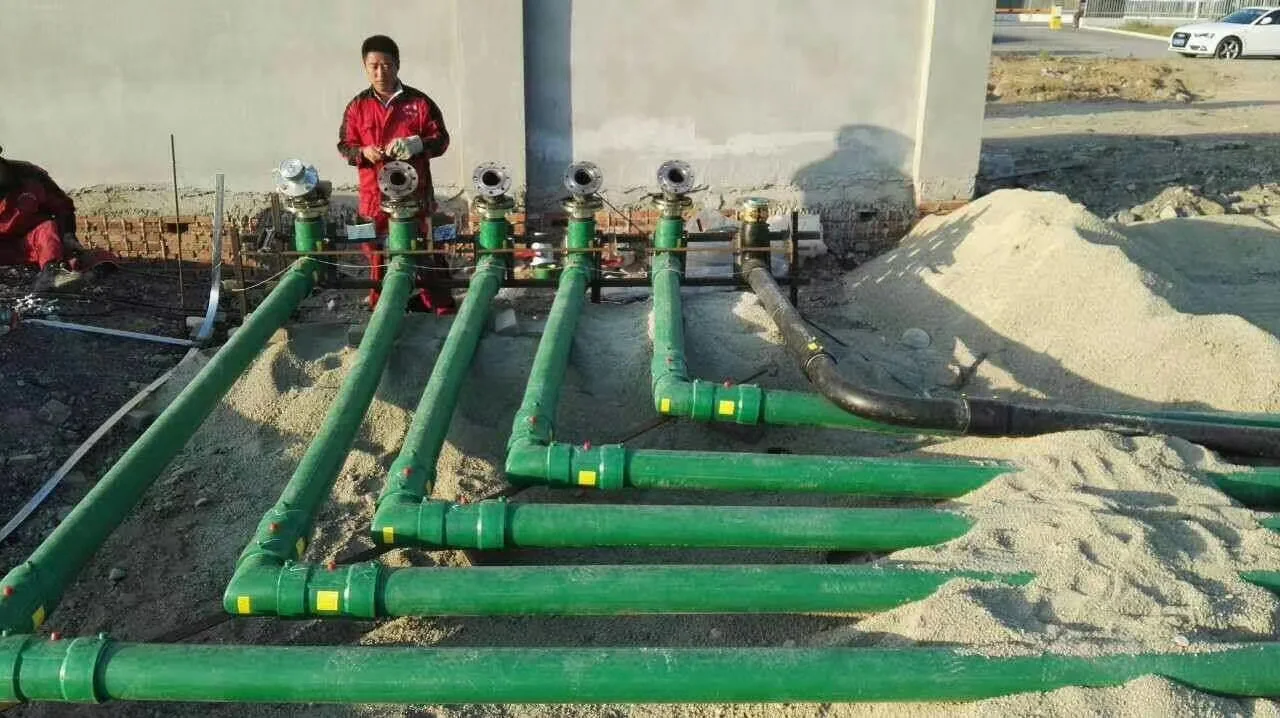
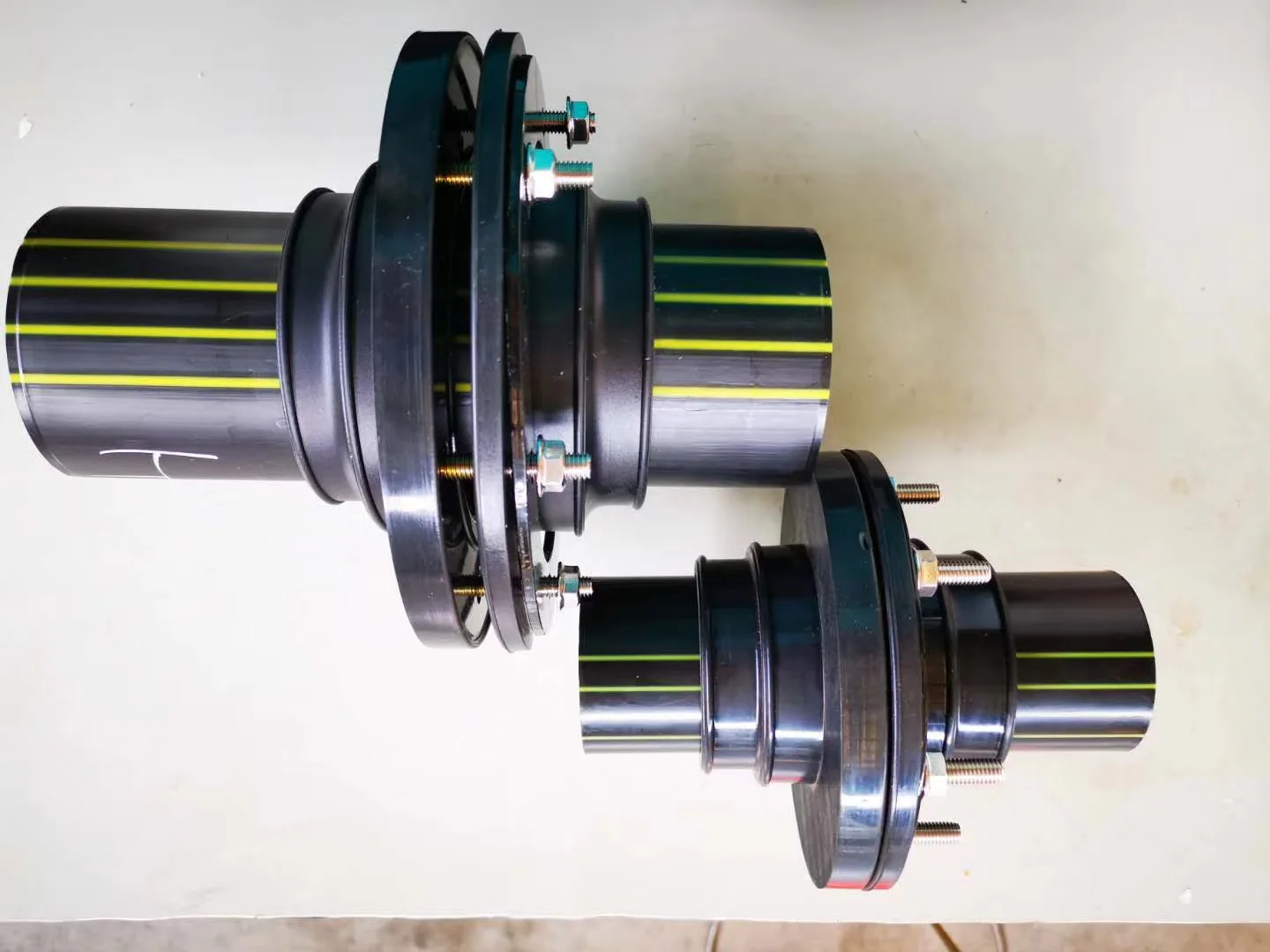
The gas station composite pipeline mainly adopts a double-layer composite structure, which is designed for gasoline, diesel oil transportation and oil and gas recovery systems, replacing traditional metal pipelines. With the characteristics of no rust, no leakage, oil corrosion resistance, anti-static, long service life, etc., the use of hot melt or fusion connection, good sealing, convenient construction, can effectively prevent oil seepage pollution of soil and groundwater, while meeting the standard requirements of explosion-proof, anti-static, safe transportation of gas stations, is the current mainstream selection of new and renovated gas station buried oil transportation, oil and gas recovery pipelines.
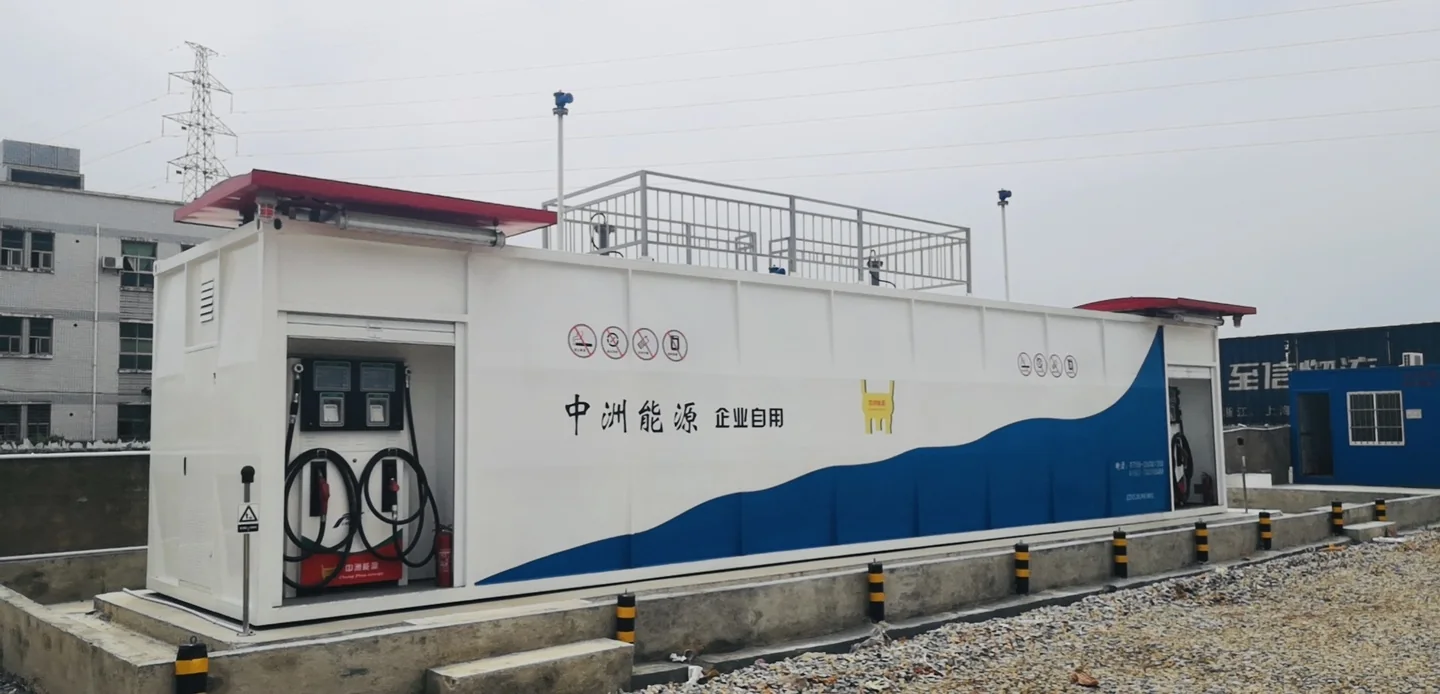
Modular, mobile, flexible configuration, suitable for oil use scenarios such as inside enterprises, logistics parks, mines, engineering sites, etc.
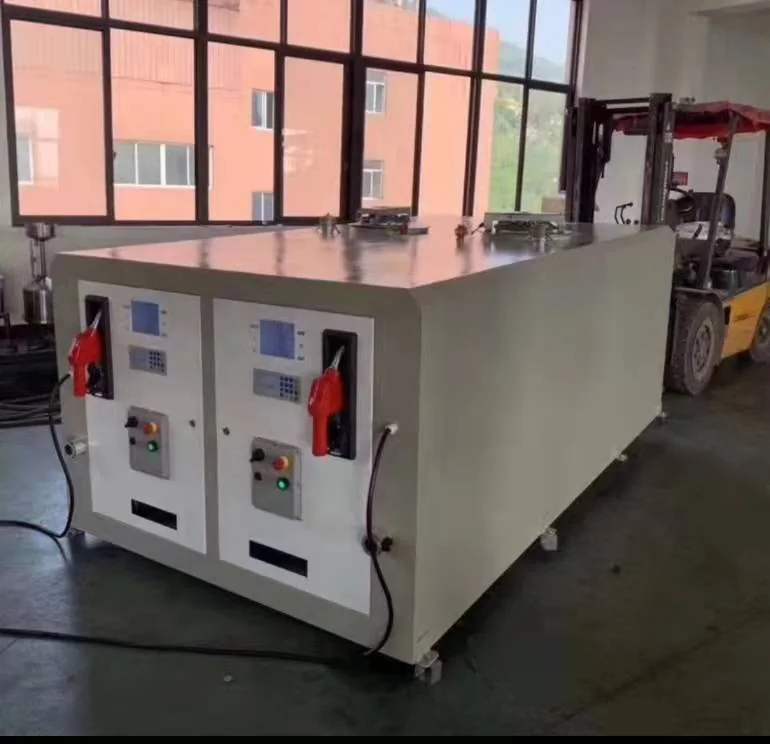
PRODUCT DISPLAY OF SMALL SIZE SKID-MOUNTED FUELING EQUIPMENT
QUALITY INSPECTION REPORT SKID-MOUNTED FUELING EQUIPMENT
Covering cities, roads, parks and overseas projects, demonstrating planning, equipment integration, steel construction and construction delivery capabilities.
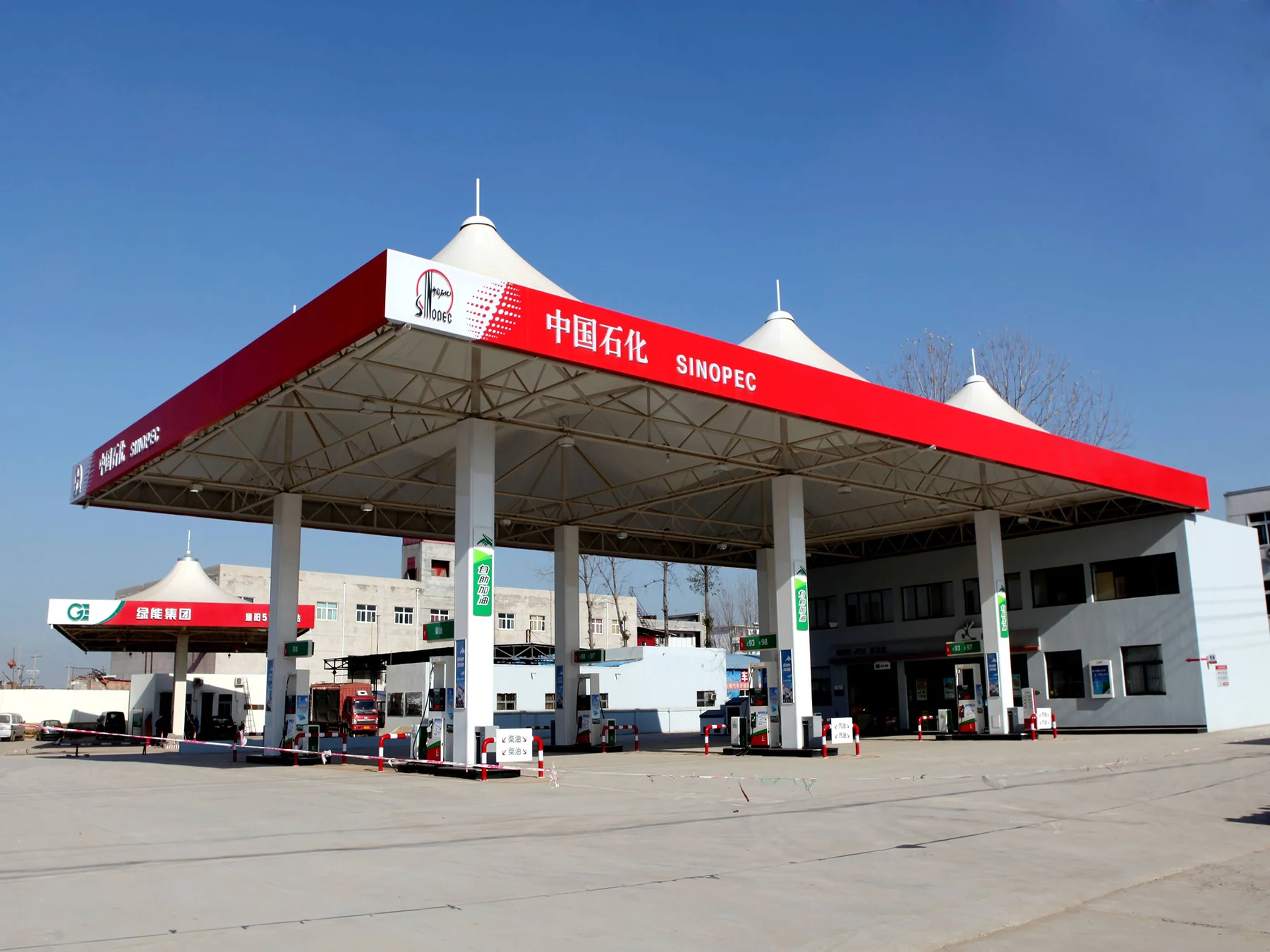
Somewhere in Cambodia
Professional engineering qualifications, project performance and standardized pre-sales, installation, commissioning and after-sales services constitute delivery guarantees.
Win-win cooperation
Selected Company Cases
Splendid Achievements > > Project Name
CONSTRUCTION PROJECT
Engineering Cost
Industry Subcontracting Engineering Project Cost:
Shed and decoration processing and installation cost: 868,000 yuan) Project name Zhongtian Hechuang Energy Co., Ltd. Hulusu Coal Mine, Menkeqing Coal Mine barrier explosion-proof skid-mounted refueling device Project cost: 1.09 million yuan) Chemical project processing and installation
Project cost: 1.154 million yuan development trend
Company trends Patent technology Patent technology Enterprise Qualification
Strong technical strength/Exquisite technical process/Perfect production system/Perfect supporting service system
Provide the required model standard Confirm the project site team On-site measurement Formal contract guarantee Design payment for the project Deposit payment for the project Final payment Free maintenance Pre-sales consultation: Our professional team will provide you with a detailed product introduction and solution suggestions to ensure that you choose the most suitable service product.
Installation and commissioning: We provide equipment installation, commissioning and training services to ensure that the product can be put into use smoothly.
After-sales service: We provide a full range of after-sales service support, including equipment maintenance, repair and replacement, to ensure that the entire transportation of products without worry.
Technical support: We have a professional technical support team to provide you with technical advice, system upgrades and product development and other services.
Welcome to consult us We are a professional R&D and production of high-quality heavy industry enterprises, with advanced production equipment and technology, as well as experienced technical personnel. We are committed to providing our customers with the highest quality of service to meet their needs and expectations.
Our company's industrial products cover a number of fields, including petroleum processing, refineries, coal mines, gas station construction, skid-mounted equipment, and barrier explosion-proof materials. The above are our company's metal container products, which can be widely used in the above fields, not only with high quality and high performance, but also with innovation and fashion. Our production team constantly innovates to provide customers with the latest products and designs.
Famous companies are welcome to visit the guide to learn about our production processes and finished industrial products and point out valuable suggestions. We are available 24 hours a day, please feel free to contact us if you need us, we will do our best to
Hunan Xianggong Construction Co., Ltd. Contact: Wang Yazhen Tel: 17373573777 Email: hnxgjs@163.com Website: http://www. hnxgjs.com Address: Xiangnan High-tech Park, Chenzhou Economic Development Zone, Hunan Province
Share the project country, site size, expected fuel types, storage capacity, number of dispensers, local requirements and required delivery scope for a tailored technical response.